Compare Poplar Removers: Insured Vans vs DIY Vans
If you are planning a move in Poplar, the choice between an insured removal van and a DIY van can shape the whole day. It affects cost, stress, timing, and what happens if something gets scratched, dropped, or delayed. This guide to Compare Poplar Removers: Insured Vans vs DIY Vans breaks it all down in plain English, so you can decide what actually suits your move rather than what just sounds cheapest at first glance.
To be fair, a van is only part of the story. Access issues, parking in E14, stairs, lift bookings, and awkward furniture all matter too. One move can feel simple on paper and turn into a juggling act by 9am. Another can be surprisingly smooth with the right van and a little planning. Let's walk through the real differences, the hidden trade-offs, and the situations where each option makes sense.
Whether you are moving a studio flat, shifting bulky furniture, or organising a small office load, this article will help you compare the practical details, not just the headline price.
- Compare protection, cost, and convenience
- Understand what insurance really changes
- See when DIY van hire is worth it
- Avoid common moving mistakes in Poplar
Table of Contents
- Why Compare Poplar Removers: Insured Vans vs DIY Vans Matters
- How Compare Poplar Removers: Insured Vans vs DIY Vans Works
- Key Benefits and Practical Advantages
- Who This Is For and When It Makes Sense
- Step-by-Step Guidance
- Expert Tips for Better Results
- Common Mistakes to Avoid
- Tools, Resources and Recommendations
- Law, Compliance, Standards, or Best Practice
- Options, Methods, or Comparison Table
- Case Study or Real-World Example
- Practical Checklist
- Conclusion
- Frequently Asked Questions
Why Compare Poplar Removers: Insured Vans vs DIY Vans Matters
Poplar is not the sort of place where every move is straightforward. You may be dealing with narrow streets, busy loading bays, controlled parking, apartment blocks, or a lift that seems to have its own opinion on your sofa. In that kind of setting, the van choice is not a small detail. It can change how long the move takes, how safe the loading is, and how much blame lands on you if something goes wrong.
An insured van service usually bundles transport, handling, and some level of cover into one arrangement. A DIY van hire setup gives you the vehicle, but the rest is on you. That sounds simple enough, until you realise you also need helpers, moving blankets, straps, fuel planning, parking arrangements, and a back that has to survive the afternoon.
Here is the real reason the comparison matters: moving costs are not just the hire fee. They also include time, risk, effort, and potential damage. A cheaper van can become expensive very quickly if a wardrobe chips a wall, a mattress gets soaked in the rain, or a parking problem turns into a fine. On the other hand, paying for a fully managed service when you only have a few boxes can be overkill.
Truth be told, many people compare only the headline prices. That is where the decision goes a bit sideways. The smarter question is: what are you buying, exactly, and what problems are you choosing to avoid?
How Compare Poplar Removers: Insured Vans vs DIY Vans Works
The easiest way to understand the comparison is to look at the moving process from start to finish.
Insured van removals
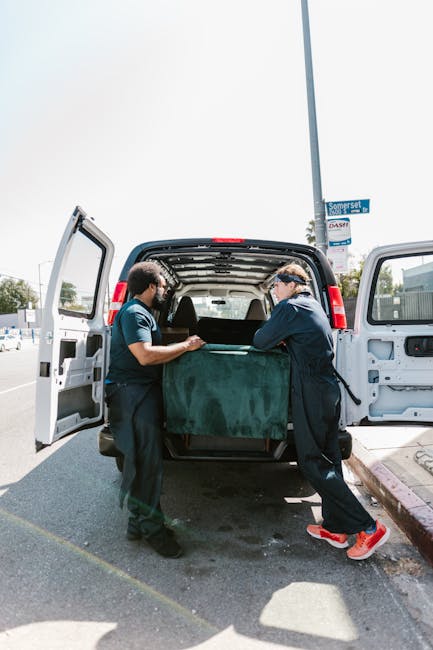
With an insured van service, the mover typically provides the vehicle, the driver, and often help with loading and unloading. In many cases, the operator is accustomed to handling household furniture, fragile items, and awkward access. Insurance is the key difference. While cover varies, the basic idea is that the move is being carried out by a business that carries responsibility for the transport process in a more formal way than a self-hire arrangement.
That does not mean everything is automatically covered, and this is where careful reading matters. Damage caused by poor packing, items that were not declared properly, or circumstances outside the policy may still be excluded. Still, the fact that the move is being done by a professional can reduce the chance of mistakes in the first place.
DIY van hire
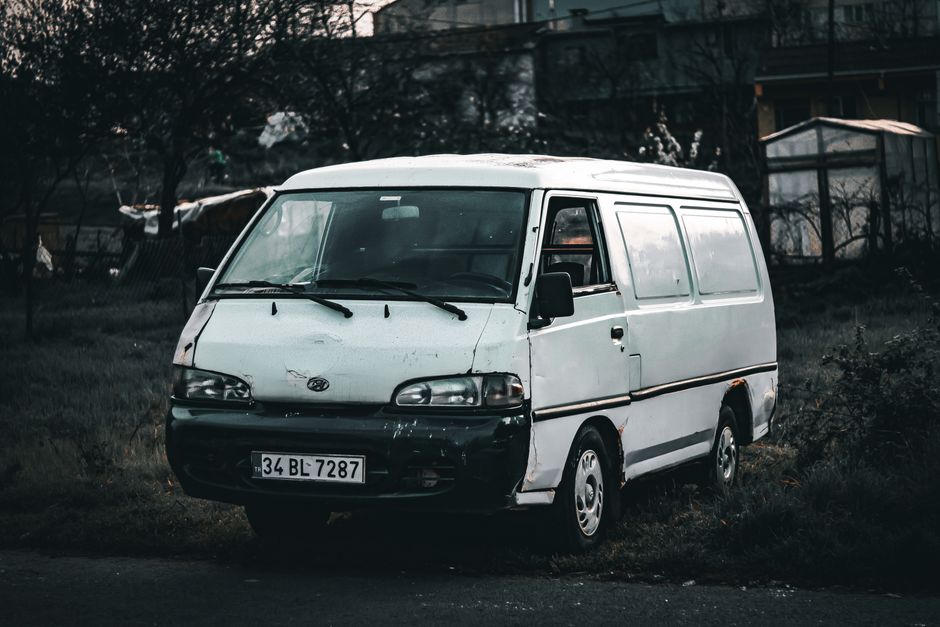
With DIY van hire, you collect or receive the van, load it yourself, drive it yourself, and unload it yourself. You may recruit friends, family, or flatmates to help. The appeal is obvious: more control and, often, a lower upfront cost. If you only have a small load, know your route well, and can handle the lifting safely, this can work fine.
But the hidden work is easy to underestimate. You are responsible for:
- choosing the right van size
- checking the vehicle condition
- planning fuel and route timing
- securing items properly
- making sure helpers are available
- dealing with parking and access on both ends
- handling any damage or disputes
So the comparison is not just insured van versus rented van. It is really managed move versus self-managed move. Big difference. Bigger than it first looks.
Key Benefits and Practical Advantages
There is no single best option for everyone. The right choice depends on what you are moving and how much hassle you are willing to carry. Still, each approach has clear strengths.
Why insured vans often win for stressful or valuable moves
- Less physical strain: you are not doing all the lifting alone.
- More accountability: professional movers are used to being careful with property and access.
- Better for awkward items: wardrobes, sofas, appliances, and bed frames can be tricky on stairs or through tight hallways.
- Time efficiency: a crew that moves often knows how to load safely and quickly.
- More reassuring for valuable possessions: that peace of mind can be worth a lot on moving day.
For many people, that last point is the clincher. If you are standing in a hallway at 8:15 in the morning with a glass table and a tight turn at the landing, reassurance matters. A lot.
Why DIY vans can still be the smart choice
- Lower upfront cost: especially for a small move.
- More flexibility: you can pack and travel on your own schedule.
- Good for simple loads: boxes, bags, small furniture, or short local journeys.
- Useful for repeat trips: if you are moving in stages, it can be practical.
- Direct control: you decide what goes where and how carefully each item is handled.
DIY is not a bad option at all. It just works best when the scale of the job is honest and manageable. If you have a lift, a parking space, and not too much heavy lifting, the savings can be real.
Who This Is For and When It Makes Sense
This comparison is useful for quite a few people, and the decision usually becomes clearer once you match the move to the method.
Choose an insured van service if you are:
- moving a full flat or house
- transporting fragile or valuable items
- short on time or help
- moving from or into an upper-floor property
- dealing with large furniture or appliances
- worried about damage, delays, or lifting injuries
Choose a DIY van if you are:
- moving only a few items
- on a tight budget and willing to trade time for money
- comfortable driving a larger vehicle
- able to do the loading safely
- moving locally with easy parking and access
- happy to manage the whole process yourself
A practical example: a student moving from a small Poplar flat to a nearby room with six boxes, a desk, and a chair might do perfectly well with a DIY van. A family with a sofa, white goods, children's furniture, and a narrow stairwell? That is much more likely to benefit from an insured, managed service.
There is no shame in choosing the easier route. Sometimes the "more expensive" option is actually the cheaper one once you factor in the time saved, the damage avoided, and the nerves you keep intact.
Step-by-Step Guidance
If you are still deciding, use a simple process rather than guessing.
- List everything you need to move. Include furniture, boxes, awkward items, and anything fragile. Be honest, not optimistic.
- Estimate the volume. A few bags are one thing. A one-bed flat or office kit is another.
- Check access at both ends. Think about stairs, lifts, parking, entry codes, and loading distance.
- Decide who will do the lifting. If it is just you and one friend, that changes the plan quite a bit.
- Compare the full cost. Look at van hire, fuel, insurance add-ons, parking risk, equipment hire, and your time.
- Assess the risk of damage. Are you moving anything expensive, sentimental, or difficult to replace?
- Choose the option that matches the move, not just the budget.
A small but useful tip: if you are on the fence, write two versions of the day. One with a DIY van and one with an insured service. Which one feels calmer when you picture the heavy bits, the rain, and the clock ticking? Usually, that tells you a lot.
If you want a broader view of moving options, the site's removal services page can help you understand how different support levels fit different moves.
Expert Tips for Better Results
After enough moves, a few patterns become very clear. The people who have the smoothest day are not always the ones with the biggest van. They are usually the ones who planned the awkward stuff properly.
- Measure big items before booking. A sofa that looks manageable in the living room can be a nightmare at the stair bend.
- Keep a separate essentials bag. Chargers, documents, medication, kettle, toilet roll. You know, the important bits no one wants to unpack at midnight.
- Use proper protection. Blankets, straps, and mattress covers can prevent silly damage that feels very annoying later.
- Book around access constraints. In Poplar, parking and loading timing can matter more than people expect.
- Do not overload helpers. One injured back can ruin the whole day.
- Move the heaviest items first. It is often easier to load them while everyone still has energy.
If you are using a DIY van, allow extra time. Not because the job will definitely take longer, but because moving days have a habit of stretching out. A cupboard hinge comes loose, a box is heavier than expected, or someone disappears to find tape. It happens.
If you are choosing professional support, reading about insurance and safety is a sensible move. It gives you a clearer picture of what responsible moving practice should look like.
Common Mistakes to Avoid
Most moving problems are avoidable. Not all of them, obviously, but many. And the avoidable ones are usually the costly ones.
- Choosing the van before checking the load. People book too small, then spend the day panicking.
- Ignoring access issues. A van that fits the road is not the same as a van that works with the building.
- Assuming DIY means no risk. In reality, the risk just shifts to you.
- Not asking about insurance details. "Covered" is not enough. Covered how?
- Forgetting parking restrictions or permit needs. This one can get expensive in a hurry.
- Underestimating the weather. Rain on cardboard is not fun. Not even a little.
- Leaving packing too late. Last-minute packing is where fragile items become casualties.
One more thing: do not treat the cheapest quote as the best quote. In moving, as in life generally, the bargain sometimes comes with a surprise. Not a pleasant one either.
If you are comparing prices, the site's pricing and quotes page can help you think through what should be included before you commit.
Tools, Resources and Recommendations
You do not need a warehouse full of kit to move well, but the right basics make a difference.
Useful tools for DIY van moves
- packing tape and markers
- sturdy boxes in mixed sizes
- blankets or furniture protectors
- ratchet straps or load straps
- trolley or sack truck for heavier items
- gloves with decent grip
- mattress covers or plastic wrap
Useful support for insured van moves
- an accurate inventory of what is being moved
- clear instructions for fragile items
- access notes for both addresses
- contact details for the person handing over keys or entry codes
- any building rules that may affect the move
For broader planning help, these pages are worth a look if your move overlaps with decluttering, packing, or storage preparation: decluttering before you move, packing for a stress-free move, and cleaning your house before the big move.
If your move includes bulky items that are hard to shift safely, a broader service like furniture pick up may also be useful.
Law, Compliance, Standards, or Best Practice
Moving in the UK is not usually complicated from a legal standpoint, but there are still practical rules and responsibilities that matter. This is especially true in London, where parking, access, waste handling, and building rules can affect the day.
For DIY van hires, you are responsible for the vehicle, your driving, and how you manage the load. That includes making sure items are secured properly and that the van is used within its intended limits. It is also wise to check what insurance is included, because basic hire cover may not protect you in the way you assume. No one enjoys reading terms and conditions, but on moving day they suddenly become interesting. Funny how that works.
If you are moving in a managed block, you may need to comply with building rules such as lift booking slots, loading bay restrictions, or limits on when removals can happen. In some parts of Poplar, local parking arrangements can make planning especially important. If the route or parking setup looks tight, factor that in early.
If you are disposing of unwanted items during the move, do not assume they can simply be left outside. Responsible waste handling matters. The site's guide to house clearance licences and waste duty offers helpful context if you are dealing with bulky items or leftover furniture.
Best practice, in plain terms, is simple: load safely, move responsibly, and do not rely on luck. Luck has a poor track record with staircases.
Options, Methods, or Comparison Table
Here is a practical side-by-side comparison to help you choose between an insured van service and a DIY van hire.
| Factor | Insured Van | DIY Van |
|---|---|---|
| Upfront cost | Usually higher, but includes more support | Usually lower at booking stage |
| Time required | Less effort from you | More planning and physical work |
| Damage risk | Lower in many situations, especially with professional handling | Higher if items are heavy, fragile, or awkward |
| Insurance confidence | Typically stronger, though policy details still matter | Depends on hire terms and your own arrangements |
| Convenience | High | Moderate to low, depending on support |
| Best for | Full moves, valuable items, tight schedules | Small loads, local trips, budget-focused moves |
| Physical effort | Lower | Higher |
| Suitable for tricky access | Often better because experience helps | Possible, but can be stressful |
Quick takeaway: if your move is simple, local, and light, DIY can make sense. If it is bulky, time-sensitive, or complicated, an insured van usually pays for itself in reduced stress alone.
Case Study or Real-World Example
Here is a realistic example from a typical Poplar move.
A couple moving out of a two-bedroom flat near East India Dock Road had a sofa, bed frames, a dining table, several boxes, and a couple of fragile lamps. They first looked at DIY van hire because it seemed cheaper. On paper, it was. But once they added up fuel, a second helper, packing supplies, lift-booking restrictions, and the time needed to do two trips, the saving shrank quickly.
They also had one awkward issue: the sofa would need to be turned sharply in a narrow hallway. That sort of thing is exactly where experience helps. In the end, they chose an insured removal van with help from people who knew how to work around tight access. The move was done in one trip, the fragile items were handled carefully, and nobody spent the afternoon arguing with a sofa that refused to cooperate. Which, honestly, can happen more than people think.
Now, not every move needs that level of support. A single renter with a few boxes and a small desk may have done perfectly fine with DIY. That is the point. The right choice depends on the shape of the job, not just the price tag.
Practical Checklist
Use this checklist before you book anything.
- Have I listed every item that needs moving?
- Do I know whether anything is fragile, heavy, or awkward?
- Have I checked access, stairs, lift use, and parking at both addresses?
- Do I know whether I need a permit, loading bay slot, or building booking?
- Have I compared full costs, not just the hire fee?
- Do I understand what insurance is included?
- Have I planned for bad weather, delays, or extra trips?
- Do I have packing materials, straps, and protection ready?
- Have I confirmed who is helping on the day?
- Have I set aside essentials that should stay with me, not in the van?
If you can answer yes to most of those, you are already ahead of the game. Seriously. A bit of preparation goes a long way here.
Conclusion
When you compare Poplar removers, the choice between insured vans and DIY vans comes down to more than cost. It is a balance of risk, convenience, labour, timing, and the kind of day you want to have. A DIY van can be sensible for light, local, low-risk moves. An insured van service is often the better choice when access is tricky, the load is valuable, or you simply want the move handled with less stress.
If you remember one thing, make it this: compare the full picture, not just the hire price. The cheapest option on paper is not always the cheapest move in reality.
Get a free quote today and see how much you can save.
And if you are still weighing it up, that is perfectly normal. A good move starts with a calm decision, not a rushed one. Take a breath, check the details, and choose the option that lets you arrive without the day chewing you up.
Frequently Asked Questions
Is an insured van better than a DIY van for moving in Poplar?
Usually, yes, if you are moving larger furniture, fragile items, or a full property. An insured van is generally better when you want less lifting, less risk, and more support. DIY vans suit smaller, simpler moves where you are comfortable managing everything yourself.
Is DIY van hire always cheaper?
Not always. The hire price may be lower, but once you add fuel, packing materials, extra time, and the risk of an extra trip, the gap can narrow. For some smaller moves it still is cheaper, but not every time.
What should I check in the insurance before booking a van?
Check what damage is covered, what exclusions apply, whether loading and unloading are included, and whether your belongings are protected in transit. If the wording is unclear, ask for a plain explanation before you book.
Can I move everything myself with a DIY van?
You can, but that does not always mean you should. Heavy sofas, fridges, beds, and awkward stairwells can turn a simple move into a risky one. Be honest about your lifting ability and the size of the job.
What size van do I need for a flat move in Poplar?
It depends on how much you are moving and how bulky the items are. A small load may fit in a compact van, but a one- or two-bedroom flat often needs more space. Measuring furniture helps far more than guessing.
Do insured movers handle loading and unloading?
Often they do, but the exact service varies. Some provide a driver only, while others include a two-person or multi-person team. Always check what is included so you are not assuming help that is not there.
Are there parking issues I should plan for in Poplar?
Yes, parking and loading can be important in Poplar, especially around busy roads and residential blocks. It is wise to check access in advance, and if needed, plan for permits or loading restrictions so the van can stop safely and legally.
What if I only have a few boxes and one or two pieces of furniture?
That is the kind of move where DIY van hire often makes sense. If the items are light, access is easy, and you are confident with the lifting, it can be a practical and budget-friendly option.
Is there a good middle ground between DIY and full removals?
Yes. Some people choose a man and van style service, which can sit between self-hire and a larger removal team. It can be a good fit for smaller loads where you still want some help with transport and lifting.
How do I avoid damage during a van move?
Use proper packing, protect corners and glass, secure items with straps, and keep heavy items stable at the base of the load. If you are moving something valuable or awkward, professional handling is often the safer route.
How far in advance should I book?
For a simple DIY van, a little notice may be enough, but busy periods can tighten availability. For insured removals, especially around month-end or weekends, booking earlier is usually wiser. The best timing depends on demand, but sooner is better.
Where can I learn more about removal options and planning?
The site has useful pages on choosing a removal company, man and van services, and broader removals support. They are helpful if you are still narrowing down what level of service you actually need.