All Saints Estate Flat Removals Poplar Insider Tips
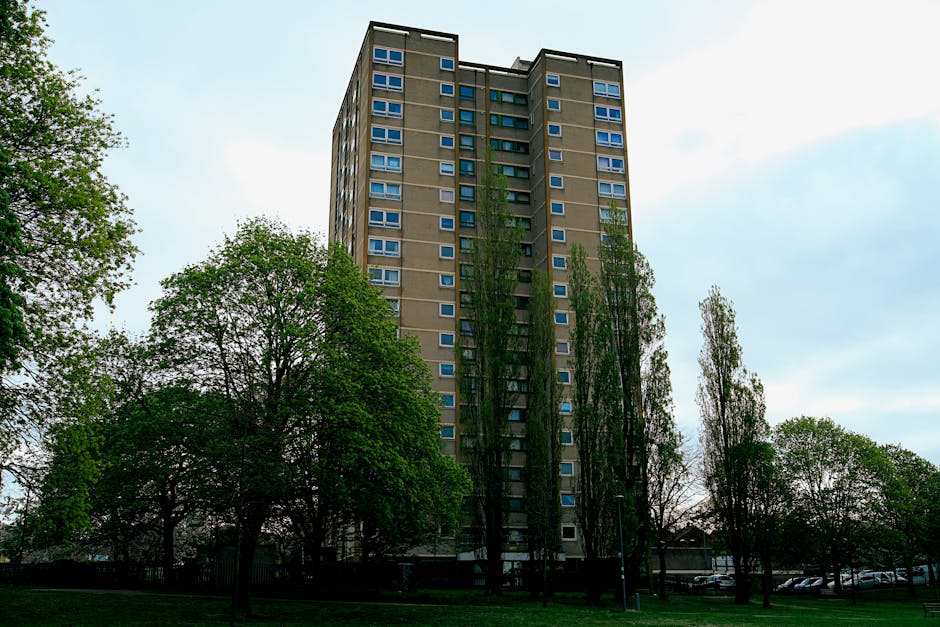
Moving out of a flat in All Saints Estate, Poplar can feel straightforward on paper and then suddenly turn into a tight staircase, a parking headache, and three boxes more than you expected. That is usually how it goes. The good news is that All Saints Estate Flat Removals Poplar Insider Tips are less about fancy tricks and more about doing the ordinary things properly, in the right order, with a bit of local know-how.
This guide pulls together the practical details that tend to matter most: access, timing, packing, choosing the right moving support, and avoiding the small mistakes that create big delays. If you are weighing up a full house move, a smaller flat move, or a more flexible man and van option, you will find the planning side especially useful. Let's make it simpler.
Why All Saints Estate Flat Removals Poplar Insider Tips Matters
Flat removals are rarely difficult because of one huge issue. It is usually a cluster of smaller ones. A narrow hallway, a lift that is smaller than you remembered, no space to swing a wardrobe, or a loading bay that is already taken by someone else. In All Saints Estate, Poplar, those details can decide whether the move feels calm or chaotic.
That is why local removal advice matters. You are not just moving furniture from point A to point B. You are managing building access, neighbours, timing, item protection, and the route the crew takes through the property. A move can be perfectly organised and still go wrong if you overlook one small constraint. Truth be told, that is the bit people notice only after the van is already outside.
It also matters because flats often contain more fragile, awkward, or high-value items than people realise. Think mirrors, flat-pack desks, stacked bookcases, television units, or that one sofa that seemed easy until you tried turning it at the stairs. Good planning reduces breakage, stress, and wasted time. And if you want the job handled with a steadier hand, it helps to understand how removal services are typically organised around access, load size, and timing.
Key takeaway: the best flat moves in All Saints Estate are not the fastest-looking ones; they are the ones that quietly remove friction before move day arrives.
How All Saints Estate Flat Removals Poplar Insider Tips Works
The process is simpler when you break it into layers. First, you assess the flat itself. Then you match the move method to the reality of the building. After that, you prepare items in a way that lets the crew work efficiently without second-guessing where things belong. Not glamorous, but very effective.
For a standard flat move, the main questions are usually:
- How easy is it to reach the property?
- Is there a lift, and if so, is it reliable and spacious enough?
- Are there stairs, tight turns, or communal corridors to navigate?
- Can a van stop nearby, or will there be a longer carry?
- Which items need dismantling, wrapping, or special care?
Once those are clear, the actual move method becomes much easier to choose. Some residents only need a straightforward man with van arrangement for a smaller load. Others need fuller support from house movers or a broader team for packing, loading, and transport. There is no single right answer, which is probably why people get stuck comparing options for too long.
One practical point that gets missed often: the best move plan is not just about volume. It is about flow. If heavy furniture is loaded first but the hallway is still cluttered with loose bags, you have created extra work for everyone. The job begins before the van door opens.
Key Benefits and Practical Advantages
When All Saints Estate flat removals are planned properly, the benefits are obvious, and a few less obvious ones show up too. Yes, your items are more likely to arrive safely. But you also save time, avoid unnecessary lifting, and reduce the kind of move-day stress that lingers for hours afterwards.
- Less damage risk: careful wrapping and better route planning protect corners, glass, screens, and painted surfaces.
- Cleaner time management: if the crew knows the access conditions, they spend less time improvising.
- Lower physical strain: awkward items and repeated trips are reduced when load sequencing is sensible.
- Better building etiquette: quieter, tidier moves are simply less annoying for neighbours and managing agents.
- More accurate pricing: clear information about access and item count helps avoid surprises later.
There is also a psychological benefit, which people rarely mention but absolutely feel. You stop treating the move as a looming disaster and start seeing it as a sequence of manageable steps. That shift changes everything. Suddenly you are not battling the day; you are steering it.
If you want a more structured service model, the broader range of removals options can help you match the level of support to the size and complexity of the job. In practice, that usually means paying for the kind of help you actually need, rather than guessing and hoping for the best.
Who This Is For and When It Makes Sense
This guide is for anyone moving out of a flat in All Saints Estate, but some readers will feel the benefits more than others. If you are on a higher floor, moving with children, managing a deadline, or handling heavier furniture, careful planning becomes a lot more than a nice extra. It becomes the difference between a smooth morning and a long one.
It makes particular sense if you are:
- leaving a studio or one-bedroom flat with limited storage
- moving from a block with controlled access or a small lift
- dealing with furniture that needs partial dismantling
- trying to minimise disruption to neighbours or housemates
- working to a completion time, tenancy deadline, or same-day handover
It can also help if you are deciding between doing everything yourself and hiring support. A lot of people start out convinced they will manage with a borrowed car and a heroic attitude. Then the practicalities arrive. Boxes are heavier than they look, bags split at the worst moment, and that "quick" second trip becomes a third. At that point, options such as home moves or even house removals start sounding less like a luxury and more like common sense.
To be fair, there is no shame in choosing the simplest route. A sensible move is a good move.
Step-by-Step Guidance
If you want the move to feel controlled, work through it in stages. Not everything must be finished at once, and that is usually where people trip themselves up. Here is the sequence that tends to work best for flat removals in Poplar.
- Survey the flat properly. Measure larger furniture, check door widths, note awkward corners, and think about the path from each room to the exit.
- Confirm building access. Find out whether the lift is working, whether it can be reserved, and whether the block has rules for moving times or parking.
- Sort the load by priority. Keep essentials, documents, chargers, and valuables separate so they do not vanish into the general chaos.
- Pack by room and weight. Heavy items in small boxes. Light items in larger boxes. It sounds obvious, but this is where many moves become back-breaking.
- Dismantle only what you need to. Beds, large tables, and some wardrobes often benefit from partial disassembly, especially if there are stairs involved.
- Protect fragile items early. Wrap glass, mirrors, framed art, and electronics before the day before move day, not on the day itself when time is tight.
- Stage everything near the exit. Clear hallways, label bags, and keep the route open so loading can happen in a calm rhythm.
- Load in a logical order. Large furniture first, then boxes, then soft items that can fill gaps and prevent shifting.
- Do a final sweep. Check cupboards, under beds, behind doors, and inside outdoor storage if you have it.
If you prefer professional help with the hands-on side, packing and unpacking services can save a surprising amount of time. They also tend to reduce the "where did I put the kettle?" moment that happens about twenty minutes after arrival. Which, let's face it, happens to nearly everyone.
Expert Tips for Better Results
These are the small things that make a real difference. Not theory. Actual day-of-move improvements.
1. Plan around the building, not just the van
Many people focus on transport first and building access second. Reverse that. If the lift is slow, if the stairwell is narrow, or if entry is shared with other residents, the property itself becomes the main part of the move.
2. Label less, but label better
You do not need a colour code for every item in the house. A simple label with the room and one line of content is usually enough. For example: "Kitchen - pans and dry goods" or "Bedroom - bedding and lamps." Clear, not fussy.
3. Keep a flat survival bag
This should include water, charger, snacks, toiletries, keys, and any medicine you need. On a long move day, a little bag like this can feel oddly important. It is one of those tiny comforts that saves the mood.
4. Protect the route, not just the item
Blankets and wrapping are useful, but so are corner guards, cardboard sheets, and clear walkways. A scratched wall can be as frustrating as damaged furniture, and it is often preventable.
5. Be realistic about what can be carried safely
If a wardrobe cannot turn on the landing, do not force it. Think again, dismantle further, or choose a different movement method. Pride is expensive in removals. Ask any mover. Or anyone who has tried to lift a sofa solo and discovered, halfway down the stairs, that the sofa is winning.
For more complex loads or bigger properties, it can make sense to compare removal company support with more flexible options like movers or a dedicated moving van. The right choice depends on access, volume, and how much you want handled for you.
Common Mistakes to Avoid
There are a few repeat offenders in flat removals. If you avoid these, you are already ahead of the pack.
- Underestimating access issues: a flat may look simple until the first large item reaches the stairwell.
- Leaving packing too late: packing in a rush leads to weak boxes, mixed items, and preventable breakages.
- Not checking parking: even a short delay can create knock-on effects when the schedule is tight.
- Forgetting communal rules: some buildings expect moving windows, lift booking, or advance notice.
- Loading in the wrong order: the van becomes messy, and unloading takes longer than it should.
- Ignoring weight distribution: too many heavy items on one side of a load can make transport less stable.
A quieter mistake is emotional, not logistical: trying to do the move exactly the way you imagined it would go, instead of the way the building actually allows. Sometimes a slightly different plan is the smarter plan. There is no prize for stubbornness.
Tools, Resources and Recommendations
You do not need a warehouse of specialist kit, but the right few items make a move noticeably easier.
- Strong boxes: especially for books, kitchenware, and anything dense.
- Packing tape and markers: simple, essential, and often used more than expected.
- Furniture blankets: ideal for doors, tables, screens, and painted surfaces.
- Bubble wrap or paper wrap: useful for corners, glass, and small breakables.
- Trolley or sack truck: invaluable if the route allows it.
- Basic tool kit: for beds, shelving, and quick dismantling at the right moment.
It is also worth reviewing service information before booking anything. A good place to start is the provider's pricing and quotes guidance, alongside practical pages about insurance and safety and the company's health and safety policy. Those pages help you understand what is included, what is expected, and how responsibility is handled if something unexpected crops up.
If sustainability matters to you, ask how unwanted items are dealt with. Some belongings can be repurposed, donated, or taken for proper disposal rather than simply thrown away. A move is often the best time to cut clutter. Oddly satisfying, too.
Law, Compliance, Standards, or Best Practice
Flat removals are practical jobs, but they still sit inside a framework of everyday legal and safety expectations. You do not need to become an expert in transport rules to move home, yet it helps to understand the basics.
At a general level, good practice includes safe lifting, sensible load security, respect for building access rules, and clear communication about anything fragile or unusually heavy. If movers are handling your belongings, you also want them to work in a way that reflects responsible handling and appropriate insurance arrangements. That is standard, and it should not feel like an optional extra.
There are also common-sense building concerns. Communal areas should be kept clear, walls protected where needed, and routes managed so residents are not blocked or put at risk. In shared blocks, a considerate approach is not just polite; it avoids complaints and delays.
If you are comparing providers, take a calm look at the small-print pages too. terms and conditions explain expectations, while a transparent privacy policy helps you understand how your details are handled. If anything feels unclear, ask before move day. It is much easier than sorting it out with boxes already in the hallway.
For business-related moves or mixed-use spaces, services such as commercial moves and office removals follow a different rhythm, but the same principles apply: access, planning, and clear responsibility.
Options, Methods, or Comparison Table
Choosing the right removal method for an All Saints Estate flat depends on how much you are moving, how accessible the property is, and how hands-on you want the process to be. Here is a simple comparison.
| Option | Best for | Strengths | Watch-outs |
|---|---|---|---|
| Man and van | Small to medium flat moves | Flexible, efficient, often ideal for straightforward loads | Less suitable for very large furniture or complex access |
| Full removal service | Heavier, larger, or time-sensitive moves | More support with loading, transport, and coordination | Can be more than you need for a light move |
| Packing and unpacking add-on | Busy households or fragile contents | Saves time and reduces packing stress | Needs early planning to be genuinely helpful |
| Van-only hire style approach | Very small loads and DIY movers | Budget-friendly and simple | More physical effort and more risk if items are awkward |
In reality, most people do best by balancing cost against effort. A low-cost option is only a bargain if it does not create a stressful, drawn-out day. That is the bit people forget when they are comparing numbers late at night with a notebook and a cup of tea gone cold.
Case Study or Real-World Example
Picture a typical move from a second-floor flat in All Saints Estate. The resident has a bed frame, mattress, sofa, desk, six medium boxes, kitchen items, and a couple of mirrors. On paper, not huge. But the lift is narrow, the corridor turns sharply near the stairwell, and parking near the entrance is limited in the middle of the day.
Rather than trying to move everything in one rushed block, the successful approach is simple. The resident packs essentials separately, dismantles the bed frame in advance, labels the boxes by room, and keeps the route clear from bedroom to front door. The movers arrive with protection materials, load the heaviest pieces first, and use blankets for the painted surfaces and glass. Nothing flashy. Just organised.
The difference is mostly in the flow. No standing around deciding what to move next, no boxes left in the wrong room, and no last-minute panic because the bed bolts are missing. Move completed, the flat left tidy, and the resident can get on with the rest of the day. A pretty normal outcome, really, but that is exactly the point.
If the move had involved more furniture, more stairs, or tighter timing, a broader service like house removalists or man and van removals might have been the smarter fit. Matching the method to the job is half the battle.
Practical Checklist
Use this before move day. It is simple, but it works.
- Confirm moving date and time
- Check lift access, stairs, and route width
- Arrange parking or loading access where needed
- Measure large furniture against doors and corridors
- Gather boxes, tape, markers, and wrapping materials
- Pack a separate essentials bag
- Label boxes by room and content
- Dismantle furniture that will not pass safely intact
- Protect mirrors, screens, and fragile items
- Keep hallways and entrances clear
- Do a final check of cupboards, storage, and behind doors
- Review the provider's safety, payment, and terms information
If you want a simple service route, you can also compare removals near me style options with more specific help such as removal van or removal truck hire. The better choice is the one that fits the real size of your move, not the one that sounds biggest.
Get a free quote today and see how much you can save.
Conclusion
All Saints Estate flat removals become much easier when you stop treating the move as one giant task and start treating it as a series of small, controllable steps. That is the real insider tip. Measure properly, pack with a bit of discipline, respect the building layout, and choose the right level of help for the job in front of you.
Do that, and you will avoid most of the stress that makes moving day feel heavier than it needs to be. You might even finish with enough energy to make a proper cup of tea before the unpacking starts. And honestly, that feels like a win.
For a move that is calmer, safer, and better organised, the smartest thing is to plan early, ask clear questions, and keep the process simple. Move well, and the rest of the day usually follows.
Frequently Asked Questions
What makes flat removals in All Saints Estate different from a normal house move?
Flat removals usually involve tighter access, shared corridors, lifts, stairwells, and parking restrictions. The furniture may be similar, but the route through the building is often more complicated.
How far in advance should I book a removal service in Poplar?
As early as you can, especially if you are moving at the end of the month, on a weekend, or around a tenancy deadline. Early booking gives you more choice and a calmer planning window.
Is a man and van enough for a small flat move?
Often, yes. For a studio or one-bedroom flat with a manageable load, a man and van arrangement can be a practical fit. It depends on access and item size as much as volume.
What should I do if the lift is too small for my furniture?
Measure before move day and decide whether items need dismantling. If they still will not fit safely, plan for stairs or consider whether the item is worth taking in its current form.
How do I keep costs under control?
Pack in advance, reduce clutter, give accurate information about access, and choose the service level that matches the actual job. Clear details usually lead to more accurate quotes.
Do I need packing help as well as transport?
Not always, but it helps if you are short on time or moving fragile items. Packing and unpacking services can save time and reduce breakage risk.
What items are most likely to cause problems on move day?
Large sofas, wardrobes, beds, mirrors, glass tables, and heavy boxes of books are common troublemakers. They are awkward to carry and often more difficult to turn than expected.
Should I tell the building management about the move?
If your block has move-booking rules or lift reservations, yes. Even when it is not strictly required, giving notice can avoid delays and keep things orderly.
What if I only need to move a few bulky items?
Then a smaller service may be enough. You might not need a full team; a flexible option such as a moving van or a light support service can be more sensible.
How do I know if a removals provider is trustworthy?
Look for clear communication, transparent pricing information, sensible safety guidance, and straightforward terms. Pages like about us and insurance and safety help you judge how professionally a provider works.
Can I combine flat removals with furniture disposal?
Sometimes, yes. If you have items you no longer want, ask whether the provider offers suitable collection support such as furniture pick up. That can simplify the move and cut clutter.
What is the most common mistake people make?
The biggest one is underestimating access. People focus on boxes and forget stair width, lift size, parking, and the route from the flat to the van. That is where most delays start.
Where can I find more details about pricing and service terms?
Check the provider's pricing and quotes page and read the terms and conditions. That gives you a better idea of what is included before you book.